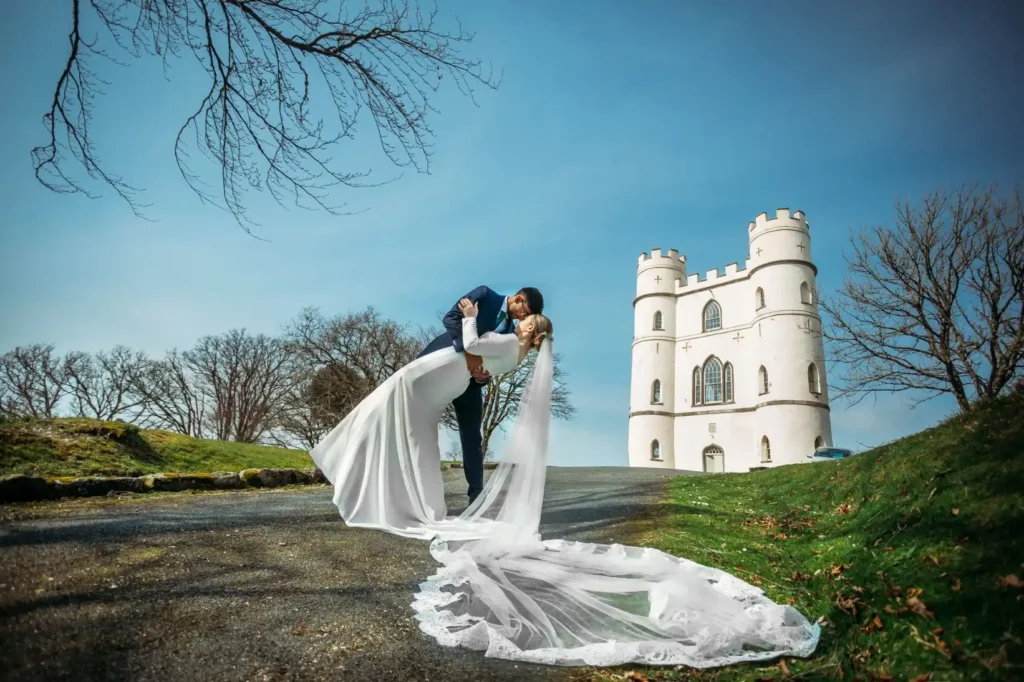
A Landmark Setting for Unforgettable Moments
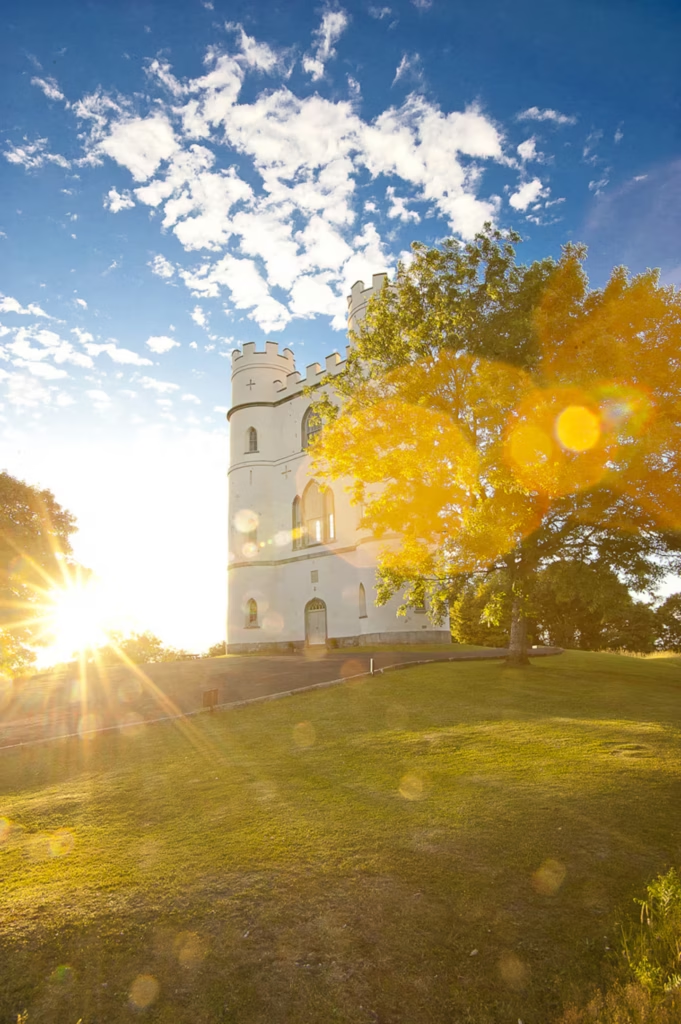
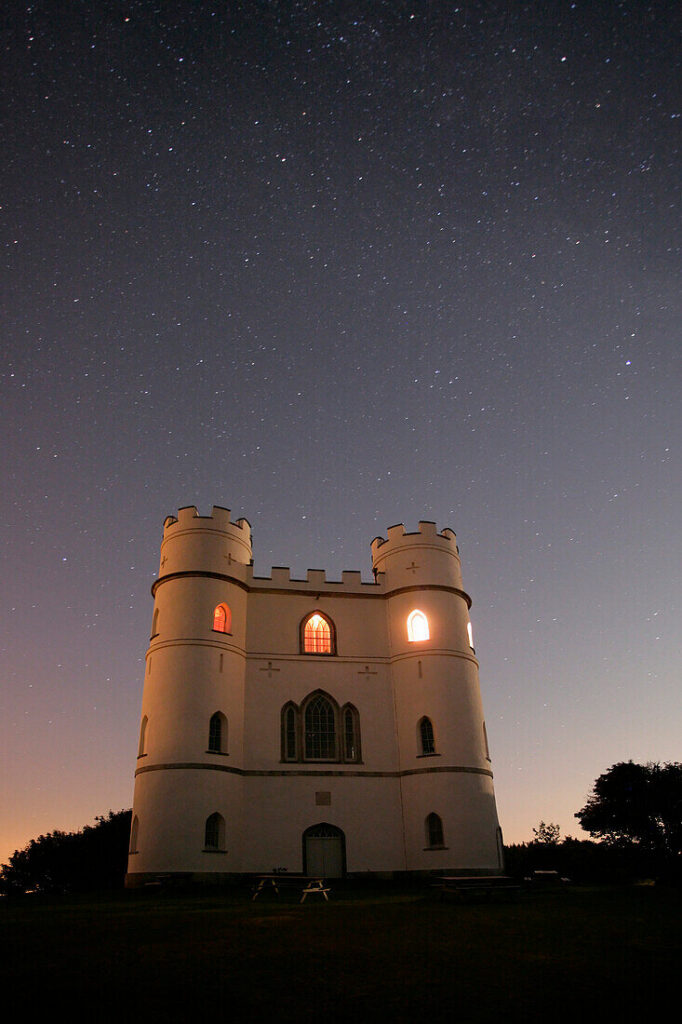
An iconic national landmark rising above Devon, Haldon Belvedere (Lawrence Castle) is a Grade Ⅱ listed monument of national importance. Offering exclusive, luxury accommodation and a showstopping setting for unforgettable weddings, celebrations and events - all within a breathtaking historic tower.
WHAT HALDON OFFERS

Upcoming Events
-
Devonshire Association – ‘Tour and Tea’
Haldon Belvedere
-
Haldon Wedding Fair
Haldon Belvedere
-
‘Rock n’ Roll’ Bridal Photo Shoot
Haldon Belvedere
-
‘Nuit d’Amour’ Opera Night
Haldon Belvedere

NUIT D'AMOUR
An evening of arias, duets and songs, from Bizet to Broadway. Soprano Ellie Laugharne and mezzo-soprano Louise Innes are joined at the piano by Jonathan Dellbridge.
Tickets are £30 and include a glass of fizz on arrival. With only 60 seats available, early booking is advised.
Dress code: Smart
Things to do
From Wild moorland to historic cities. Adventure surrounds Haldon Belvedere.
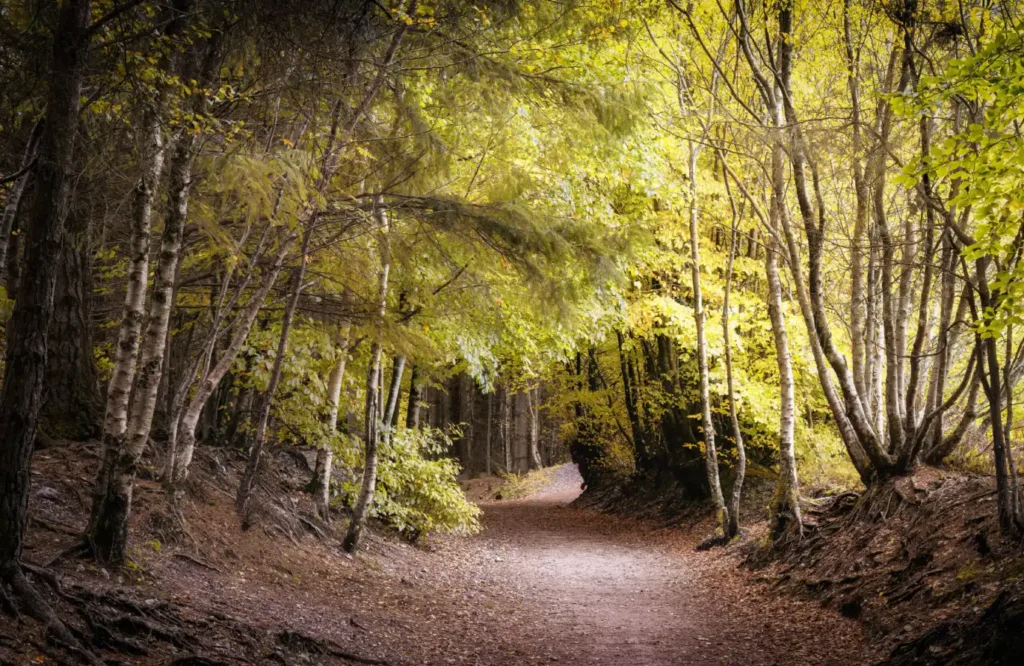
Haldon Forest Park
An oasis of forest based adventure right on our doorstep including walking, mountain biking (beginner to advanced trails), children’s nature trails, horse riding, plus Go Ape Haldon (treetop adventure for all ages, including zip-lines and high ropes), plus an excellent cafe for much needed refreshment.
Find Out More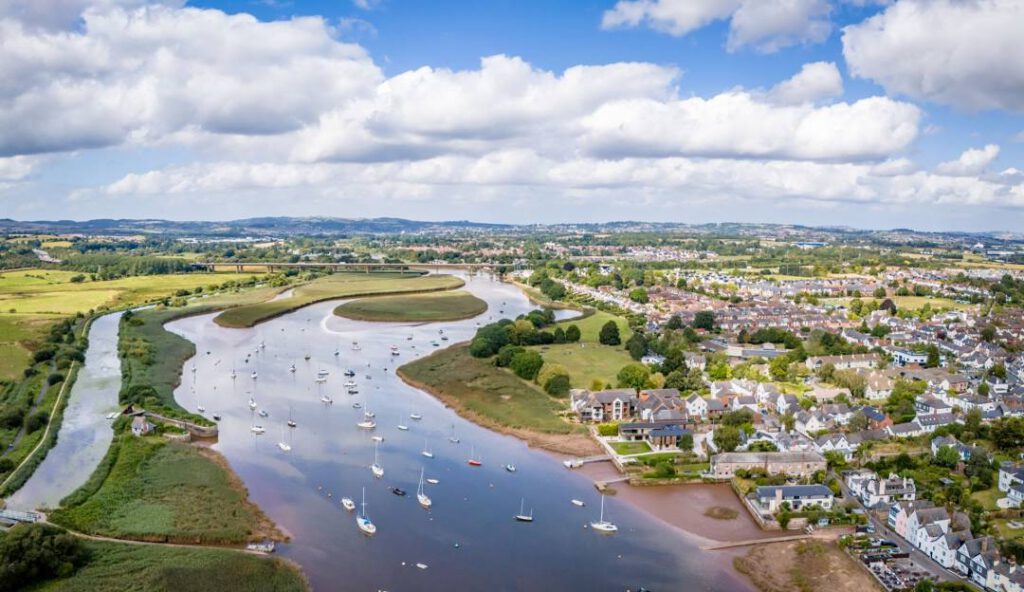
Exe Estuary Trail
A scenic cycle and walking path (22.5 miles/ 36km long) that spans the entire Exe Estuary, linking Exmouth, Exeter and Dawlish. Part of the National Cycle Network, the trail is mainly flat, making it suitable for all abilities. (perfect for a summer’s day/ stop in pubs?)
Find Out More
Exeter Cathedral and Quay
A jewel in our regional crown, explore the stunning Gothic architecture of the cathedral and combine with a walk around Exeter’s historic quayside, for delightful shops, cafes, pubs and restaurants, plus boat hire.
Find Out More
Landmarks & Landscapes
The greater Exeter area boasts many historic castles, stately homes and other heritage attractions, including England’s newest castle, Drogo, on the edge of Dartmoor, as well as Powderham Castle overlooking the beautiful Exe Estuary and home to the Earl of Devon. With panoramic scenery and award winning facilities, the South West’s highest waterfall is nearby at Canonteign Falls, here in the Teign Valley.
Find Out MoreThings to do
From Wild moorland to historic cities. Adventure surrounds Haldon Belvedere.
Haldon Forest Park
An oasis of forest based adventure right on our doorstep including walking, mountain biking (beginner to advanced trails), children’s nature trails, horse riding, plus Go Ape Haldon (treetop adventure for all ages, including zip-lines and high ropes), plus an excellent cafe for much needed refreshment.
Find Out More Find Out More
Exe Estuary Trail
A scenic cycle and walking path (22.5 miles/ 36km long) that spans the entire Exe Estuary, linking Exmouth, Exeter and Dawlish. Part of the National Cycle Network, the trail is mainly flat, making it suitable for all abilities. (perfect for a summer’s day/ stop in pubs?)
Find Out More Find Out More
Exeter Cathedral and Quay
A jewel in our regional crown, explore the stunning Gothic architecture of the cathedral and combine with a walk around Exeter’s historic quayside, for delightful shops, cafes, pubs and restaurants, plus boat hire.
Find Out More Find Out More
Landmarks & Landscapes
The greater Exeter area boasts many historic castles, stately homes and other heritage attractions, including England’s newest castle, Drogo, on the edge of Dartmoor, as well as Powderham Castle overlooking the beautiful Exe Estuary and home to the Earl of Devon. With panoramic scenery and award winning facilities, the South West’s highest waterfall is nearby at Canonteign Falls, here in the Teign Valley.
Find Out More Find Out More
OUR HERITAGE
1788
1920
1942

Devon Historic Buildings Trust
Devon Historic Buildings Trust, owner of Haldon Belvedere, is a charity organisation dedicated to restoring and preserving Devon’s historic buildings. As a charitable trust, your support helps us preserve and care for Haldon Belvedere for future generations. To make a donation, please email info@haldonbelvedere.com.
Weddings
Weddings at Haldon Belvedere
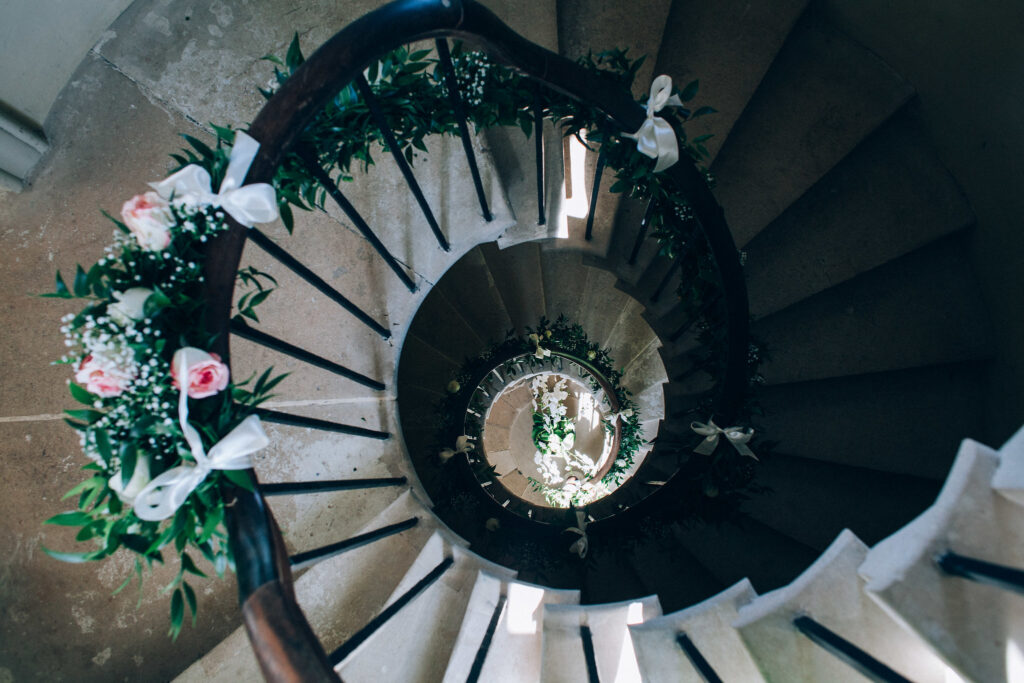
Haldon Belvedere offers an intimate and romantic setting for unforgettable weddings. Exchange vows high above the Devon countryside in a historic Georgian landmark, framed by sweeping panoramic views. Every celebration is bespoke — shaped around your vision and elevated by a truly iconic setting.
About our Weddings
See more


Penthouse
The Penthouse Suite
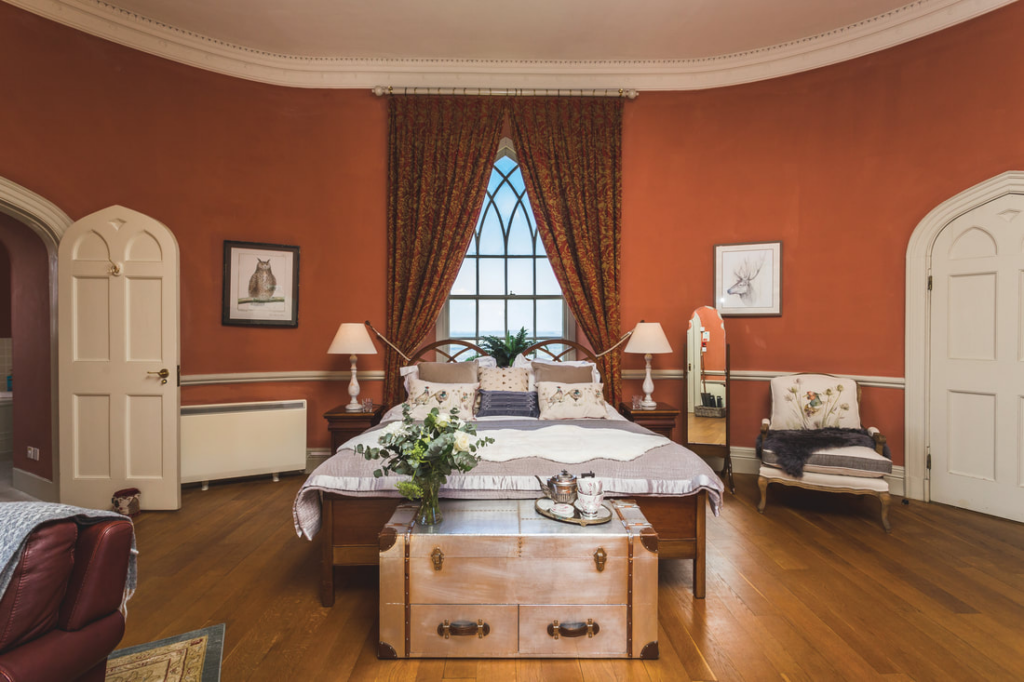
Experience refined luxury within one of Devon's most distinctive landmarks. The self-contained penthouse suite blends historic character with modern comfort, offering complete privacy and breathtaking views. Ideal for romantic escapes, special occasions, or an unforgettable overnight stay.
Book Your Stay
See more


Events
Private Events & Celebrations
An iconic national landmark rising above Devon, Haldon Belvedere (Lawrence Castle) is a Grade II listed momument of national importance.
Enquire About Events
See more








Be Part of Haldon Belvedere Story
Every donation, big or small, becomes part of how this building survives. Your gift could help fund a repair, support our conservation work, or simply keep the doors open for the next family who wants to visit. We're a small charitable trust - which means your support isn't a drop in the ocean here, it's genuinely one of the things keeping Haldon Belvedere going.
Support Us All Year Round
Members enjoy invitations to events held at Haldon Belvedere throughout the year, as our way of saying thank you for their ongoing support. It's a chance to get closer to the building and the trust behind it, while helping fund the everyday work of caring for it.
Please get in touch with us to become a member.
Bank Details
Account Name
Account Number
Sort Code